





WIELICZKA SALT MINE
GUIDED TOUR FROM KRAKOW
AUSCHWITZ & BIRKENAU
GUIDED TOURS FROM KRAKOW
ZAKOPANE & THERMAL BATHS
EXCURSION FROM KRAKOW
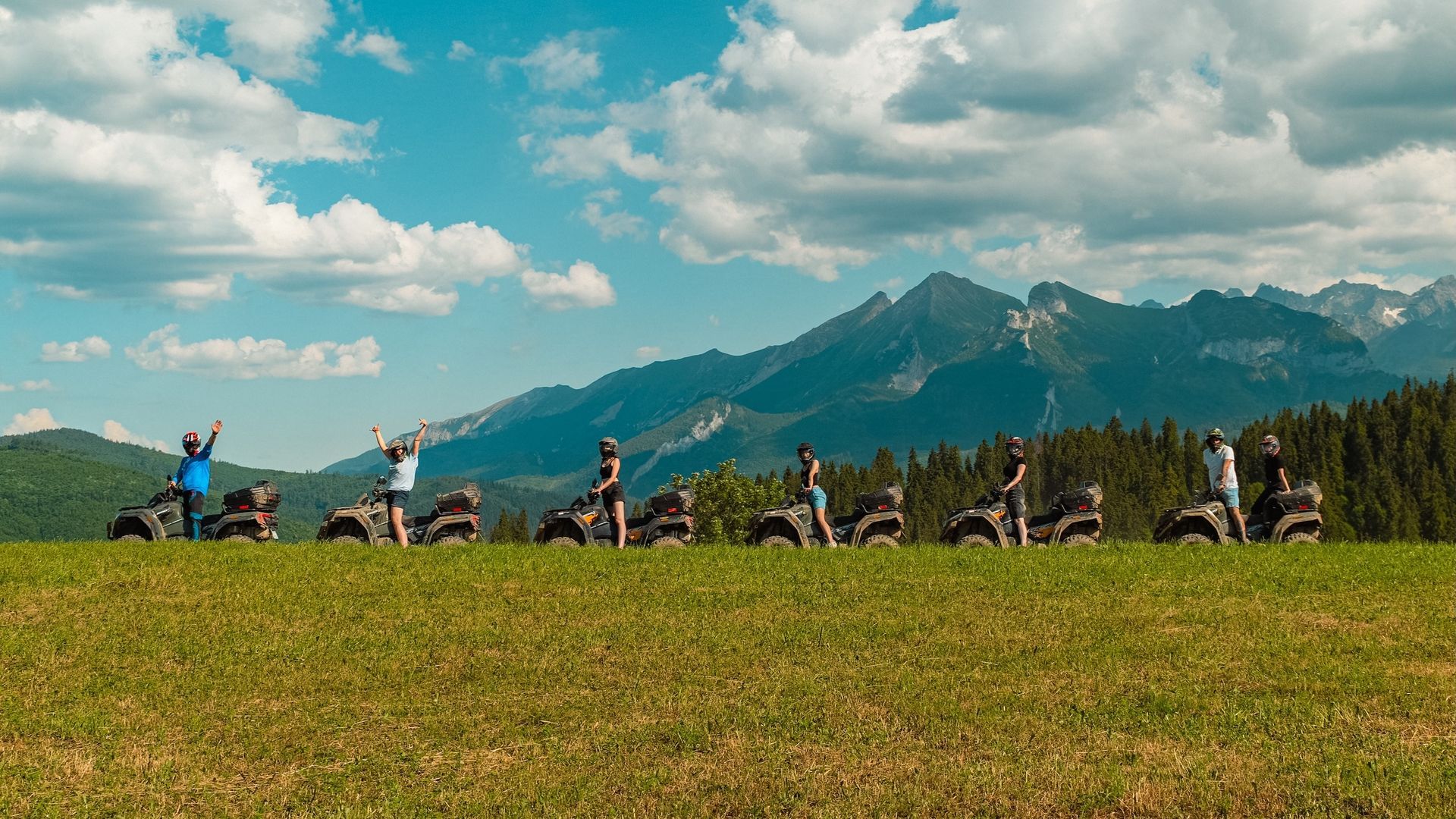
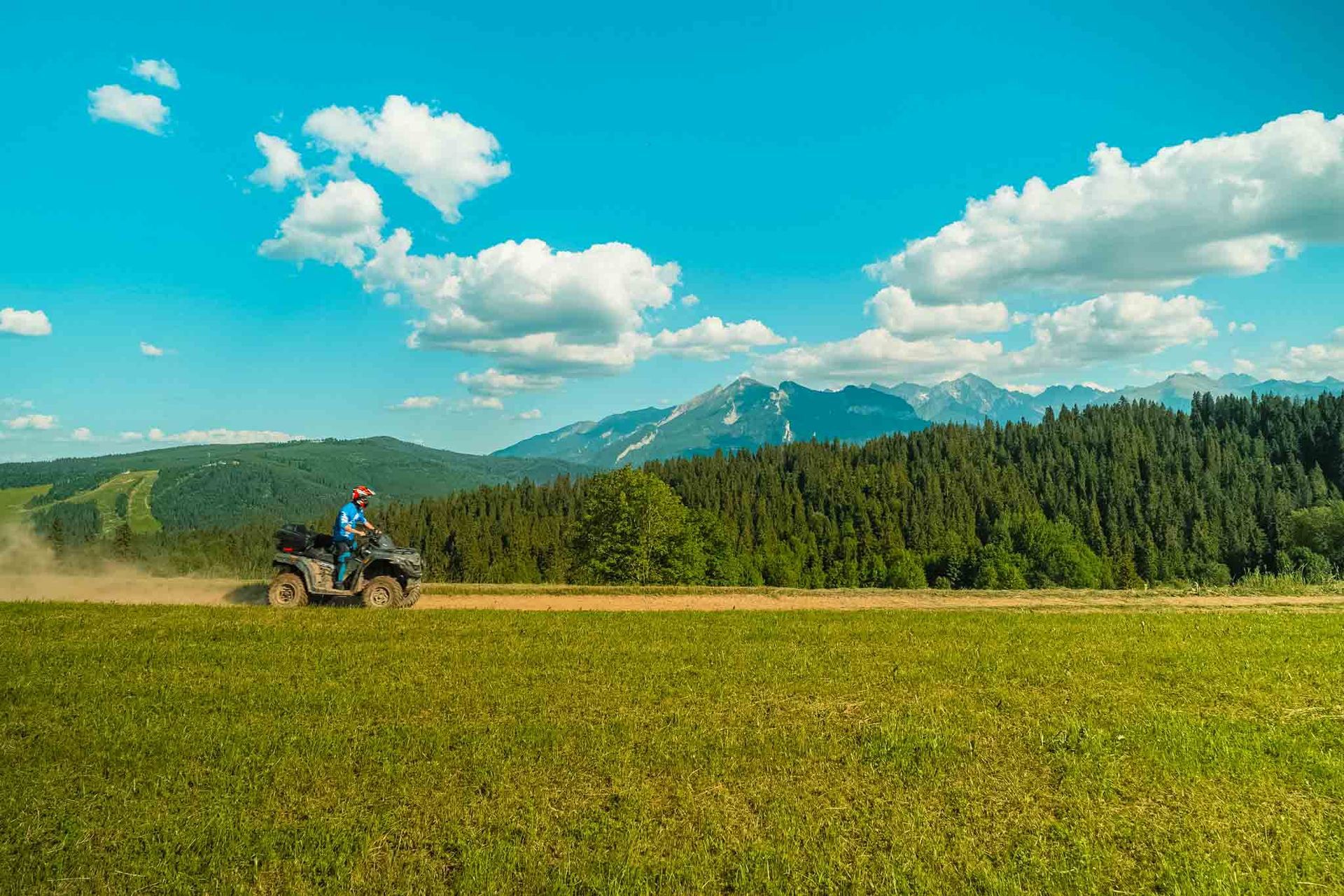
QUAD BIKE & THERMAL BATHS
EXCURSION FROM KRAKOW
BROWSE BY CATEGORY
HelloCracow's Blog

Arriving in Krakow is usually straightforward, but the first hour can shape the whole trip. A late flight, heavy suitcase or unfamiliar ticket machine can quickly make a simple transfer feel more complicated than it needs to be. The good news is that Krakow is well connected by air and rail, and its main airport sits close enough to the city centre that getting to your hotel is usually fairly simple. For most visitors, the choice comes down to Krakow Airport, the main railway station at Krakow Glowny, or a private transfer booked in advance. Each option works slightly differently, depending on what time you arrive, where you are staying and how much luggage you have. Public transport is often enough, but there are situations when paying for a direct transfer can make the first part of your trip much easier.
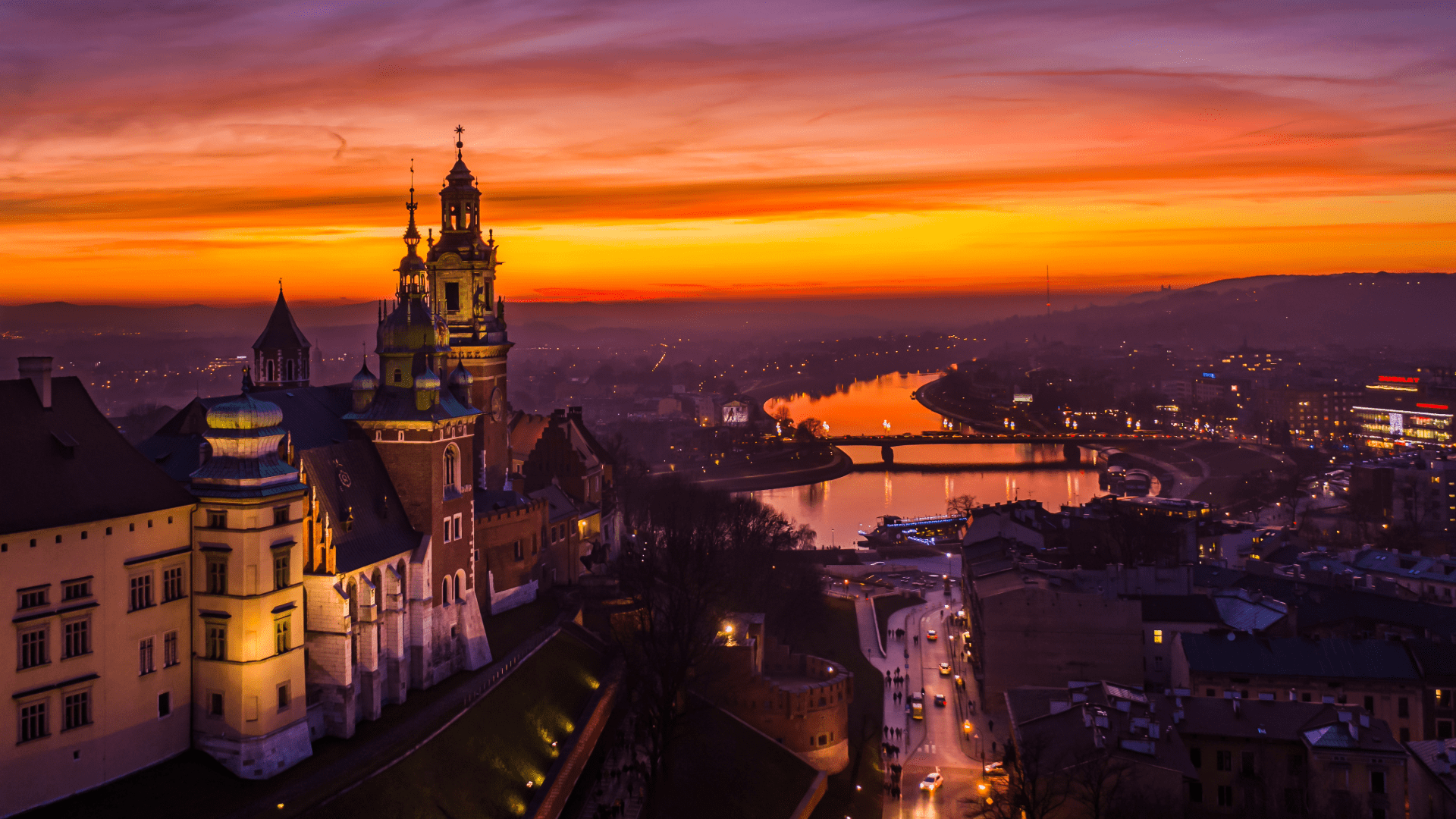
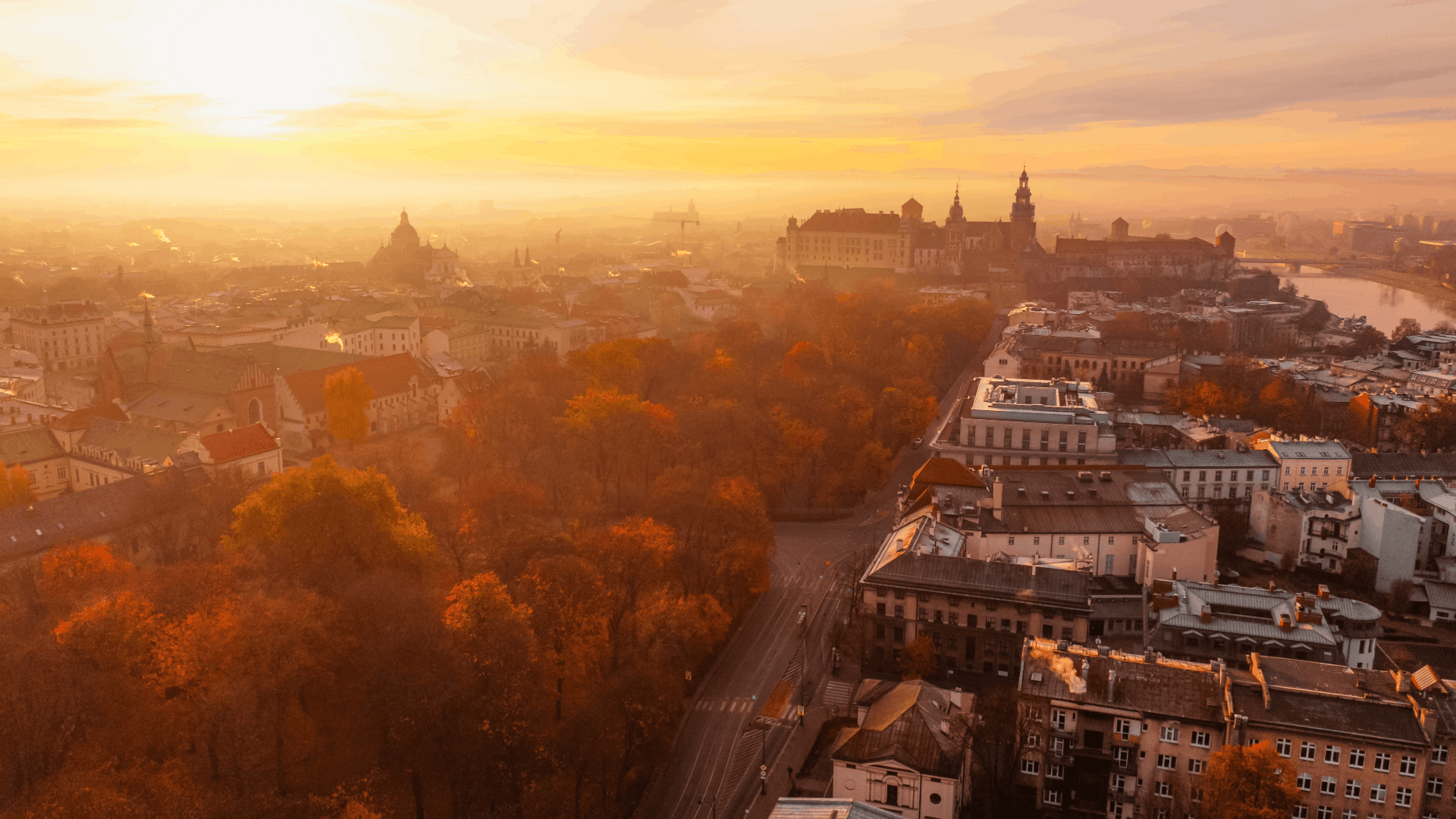
October is a great month to visit Krakow if you want to see the city without the summer crowds. The weather is usually still good enough for long walks, while cooler evenings make it easier to combine time outdoors with museums, restaurants and cafés. Planty Park starts to turn gold, the Old Town is less crowded, and Kazimierz is a good place to spend an afternoon without rushing from one sight to another. There is also plenty happening around the city. October brings concerts, film screenings, literary events, food festivals and other seasonal events, so it is worth checking what is on during your visit. You can easily combine one of these with the main sights, a walk along the Vistula or an evening in one of Krakow's neighbourhoods. It is also a good time to plan a day outside the city. Wieliczka, Auschwitz-Birkenau and Zakopane are all popular options, while the Tatra Mountains can be particularly appealing in autumn. Just keep an eye on the weather, as conditions outside Krakow can be quite different. If you are planning a trip for October, you do not need to fill every day in advance. Pick a few things you definitely want to see, check the events happening during your dates and leave some time for whatever you find along the way.
Krakow is a city best explored on foot. A typical day can move from cobbled streets around the Old Town to the open riverside paths near Wawel, then on to Kazimierz or Podgorze, often with more walking than visitors expect. Even a simple plan can quickly turn into several hours outside, especially when you add a museum, a market, a café stop or one of the city’s many viewpoints. The right packing list starts with comfortable shoes, flexible layers and one piece of rain protection that fits in your day bag. Krakow weather changes quickly across the year, and sometimes within a single day. Spring can bring mild afternoons and sudden showers, while summer days can be warm enough for long walks but cooler once the sun goes down. Autumn tends to bring shorter days and more changeable conditions, while winter can mean cold temperatures, snow or wet streets. These differences matter when most of your day is spent moving between outdoor sights. The temperature ranges below are typical average lows and highs for Krakow-Balice, not a forecast for a particular trip. Conditions in the city centre can feel slightly different, especially on sunny days or when the wind picks up along the Vistula. Check the forecast again shortly before you travel, then pack for walking rather than for one perfect weather scenario. If you are planning trips outside Krakow, leave some room for further changes. Wieliczka is underground and noticeably cooler than the streets above, while a day in the Tatra Mountains can bring very different conditions from those in the city. A few simple choices can make it much easier to stay comfortable when your plans take you from one part of the region to another.
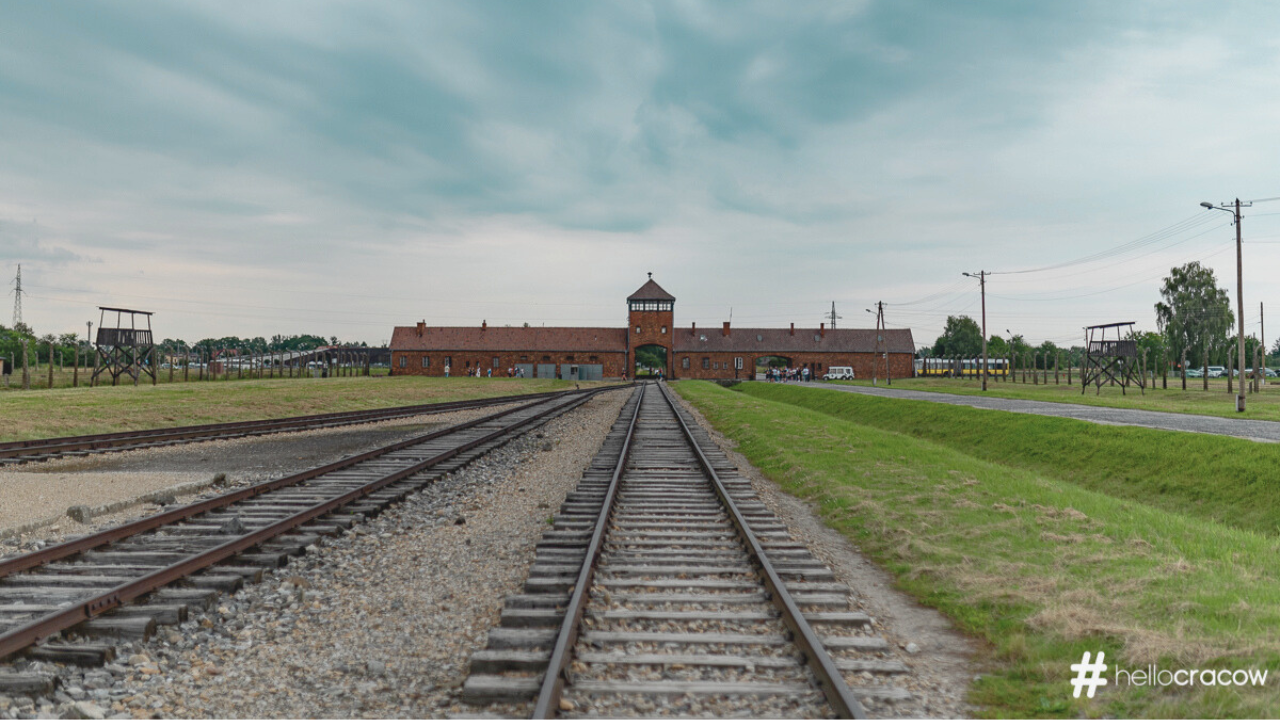
A visit to Auschwitz-Birkenau asks for more than simply adding another day trip to your Krakow itinerary. The former German Nazi concentration and extermination camp is a memorial site and a place of mass murder, where the scale of what happened can be difficult to understand through buildings, photographs and numbers alone. Reading before you go cannot prepare you for the visit itself, and it should not try to. What it can do is give some of the history a human dimension. Names, individual stories, memories and difficult choices become easier to recognise when you arrive at the site. Instead of knowing only what happened, you begin to understand something about the people who experienced it. The six writers below approach this history from very different perspectives. Four of them experienced Auschwitz as prisoners, writing about the camp from their own memories and experiences. Zofia Nalkowska encountered its aftermath from a different position, collecting testimonies and evidence about what had happened there in the months following the war. Hanna Krall offers yet another perspective. She survived the Holocaust as a child but was never imprisoned at Auschwitz. Her writing instead brings readers closer to the Jewish world destroyed during the Holocaust and to the people who carried its memory into the years that followed. There is no single book that can explain Auschwitz. Taken together, however, these works can help you arrive with more context and a greater awareness of the human stories behind the place.